Category Archives: Theology

Slippery Slope

It’s a slippery slope, my friend. In the literal sense, it’s a heads-up to step carefully on wintry roads, sidewalks, and ski trails. In a philosophical discussion, it’s a caution concerning the tendency to slide from one questionable act or assumption into another, gaining momentum all the way. In Lemony Snicket’s The Slippery Slope, book the tenth book in A Series of Unfortunate Events, it’s both.

A slippery slope turns tentative, tiny movements in a particular direction into a glide, a descent, and a velocity that cannot be controlled or stopped. It’s what makes navigating icy on-ramps dangerous and toboggan rides down snowy hills exhilarating. It’s momentum in a particular direction, and what comes of it – joy, pain, kindness, hurt – depends on the direction. Taking a few steps down the wrong path makes taking the next few easier until the ability to turn around is unlikely if not impossible. But the same may be said of taking those very same steps down the right path: baby steps in the right direction can turn into confident strides, then a glide into acts of peace and courage that are transformed into blessings for the world around and the soul within.

Falling in love or a descent into hell: it isn’t the slipperiness of the slope, it’s the direction that makes the determination. I take comfort in knowing that God offers a steadying hand when I need to climb my way out of a descent into darkness. I take courage in knowing that God will help me love beyond my own limits. I am filled with joy knowing the small love I offer will be transformed by God into a blessed forward momentum – steps to strides to glides, perhaps.
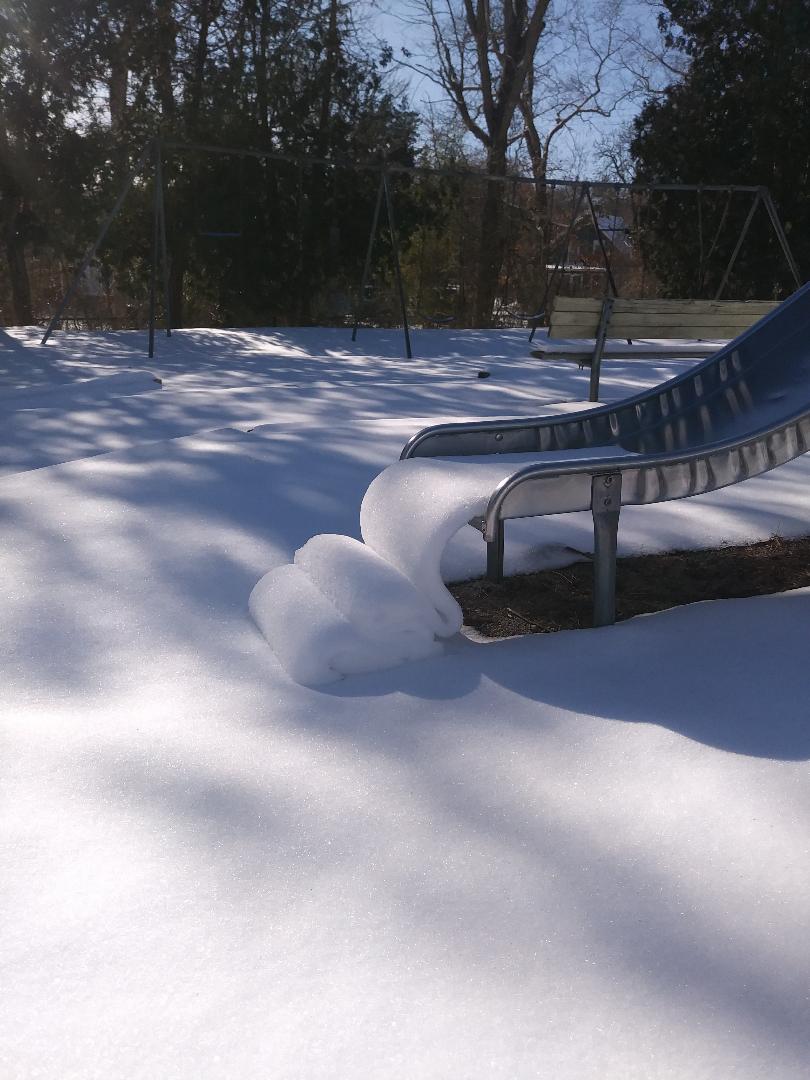
 [Library Slide in Winter, photo by Jared Fredrickson]
 

Get a Word in Edgewise

I’ve been in a few situations where I couldn’t get a word in, edgewise or straight on. When it happens, the same choice arises: make the effort to turn a monologue into a conversation or move on to a less forbidding dialogue partner. Whether to stay or go depends on the kind of monologue it is: one that only wants a passive and silent audience, or one that is sincerely seeking a conversation partner, but is having trouble making a connection. The first is a waste of time, the second is worth the effort to get that word in edgewise.

Sometimes, it isn’t a spoken word. Inked words on a page can be almost as one sided, especially when they are difficult to understand. Sometimes, the argument is too dense, an impenetrable hedge with no gate in sight. Sections of Stephen Hawking’s A Brief History of Time were like that for me – I understood all the words in the sentences, but couldn’t figure out what they meant strung together. It took me well over a month to get through the book, and a good couple of years before I understood it well enough to ask even the most basic questions about the ideas it contained. Why did I stick with this conversation when lack of understanding made it impossible to get a word in edgewise? I suspected there was something true and deep in Hawking’s printed monologue – something worth the attempt to change it into a conversation. Twenty years later, I felt the same about Sean Carroll’s The Particle at the End of the Universe.

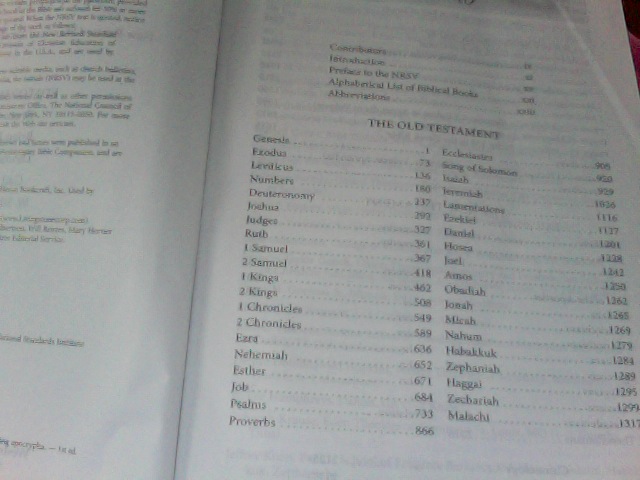
I wonder how many people experience holy scripture of any kind – Christian, Muslim, Jewish, Hindu, Buddhist, etc. –  as such a torrent of words that no one can get a word in edgewise. Holy writ is meant to be a conversation: it’s the best attempt of people throughout history to offer those who come after them an entry, constructed of words and prayer, into God’s infinite, intimate, loving reality. So get your word in, straight on or edgewise. It’s the conversation of a lifetime, and God eagerly listens for the word we offer.

Easy as Pie…A Piece of Cake…

The Phrase Finder‘s Gary Martin dates (as) easy as pie to the 1800’s, American in origin [www.phrases.org.uk). The easy part isn’t in the making of the pie, but in the ease with which it is enjoyed. He notes that cake is also related to pleasant, easy things – perhaps a commentary on how much dessert is enjoyed?

Being a baker myself, I am usually aware of the effort it took to produce what I eat – I’ve made countless cakes and I’ve witnessed my husband make dozens of pies over the past few years. Restaurant work paid my bills, so I don’t usually take entrees for granted much, either. But these sayings aren’t meant to be taken literally – they wouldn’t be common expressions if they were limited to that. So, I can’t help thinking that most things that are a piece of cake or as easy as pie aren’t worth a whole lot unless someone else invested the time and effort that make them valuable. I may never know who made things go so smoothly for me as to be as easy as pie, but I’m sure I owe him or her a long overdue thank you.

Don’t Blink

Don’t Blink – you just might miss it.

I used to say this about New Durham, the town I called home for almost a decade. It’s that blinking yellow light on Route 11, a couple of miles before you get to the Alton traffic circle, just below the southern edge of Winnepesaukee. Lots of trees, a lake, scattered ponds, and a brown raised ranch five miles from town center that kept me and my family warm and dry. A beach on Chalk pond and a canoe to paddle every inch of it, snow and ice for sledding and skating, and stars scattered through the deep blue sky every season of the year were waiting outside the door. Inside, the people I loved and laughed with. Back then, I didn’t know how fast those days and years would pass into other days, years, and places.

I have loved every place I’ve lived, and I’ve loved every stage of life. Each brought gifts and heartache – the unique contour and blessing of my life’s particulars. I wouldn’t go back, trading what is and will be for what was, but time’s passing has changed the meaning of don’t blink since that yellow light marked my home town and my teen years. Now it means something like this:

My life is one among billions, a small flicker lasting for such a short time. But that doesn’t mean it isn’t a holy, crazy, blessed one-of-a-kind gift. It’s the same for every single life – yours, mine, and everyone else’s. If I’m too busy fussing about what isn’t perfect, I will miss it just as surely as a blink of an eye at the wrong time sends me right past that yellow light without a clue that it marks a place called home.

God, give me eyes to see this fragile, broken, beloved life that is your gift to me. May I see everyone and everything else as you do: beloved. Amen.

Speak of the Devil

Speak (talk) of the Devil and he will appear.  

According to The Phrase Finder, the saying’s been around for hundreds of years in its longer form. The last four words have been dropped sometime between then and now, turning what might have been a cautionary saying bordering on superstition to an innocuous way to note when someone who is being talked of walks in.

I think there are very few adults who believe that speaking someone’s name will cause them to appear, even if repeated three times in Beetlejuice, Beetlejuice, Beetlejuice fashion. Still, I think there are very few adults who haven’t had the person they were talking about show up as if summoned or the person they’ve been meaning to call suddenly calling them. It’s serendipity if it’s a welcome appearance, like a bad penny if it isn’t.

There’s an undeniable power to words. Saying something aloud – a name, a fear, a joy – makes it real in a way that it wasn’t before it moved from thought to speech. It’s why saying the words I love yougood-byecome in!, and go away seems almost impossible at times. The words can’t be taken back, and the vulnerability they express cannot be denied or overlooked. Spoken words reveal us when they are true.

In its shorter/lighter or longer/darker form, it’s good to remember that the one we speak of will not magically or miraculously be summoned by our words; at the same time, speaking of and to another makes who we are and who they are more tangible, more real. It may not be magical, but I doubt it’s any less miraculous.

[The Phrase Finder is a wonderful resource created by Gary Martin. Visit it at www.phrases.org.uk.]

Rest in Peace/ It is what it is

It seems an odd placement, a post about death followed by a post about the mutability of reality. Death is immutable – there’s no getting around it, no sliding on past it, no wishing it to be undone. This is true of so many things in our lives because we cannot control the universe, the orbit of our tiny planet, the family we are born into, or the time and place of our births. These things are what they are. But how we respond to them is well within our control. We can choose whether these unchanging realities prompt us to expand our minds, hearts, and spirits – or whether they prompt us to contract them. Our choice in this changes our lives in profound ways.

Contraction: The thought of dying causes us to shrink back from life, hoard our minutes, days, and hours like misers do their coins. We try not to get too close to anyone, knowing that some day death will part them from us. We put every effort into avoiding our own aging. Our lives, and the life of the world are the lesser for such a choice.

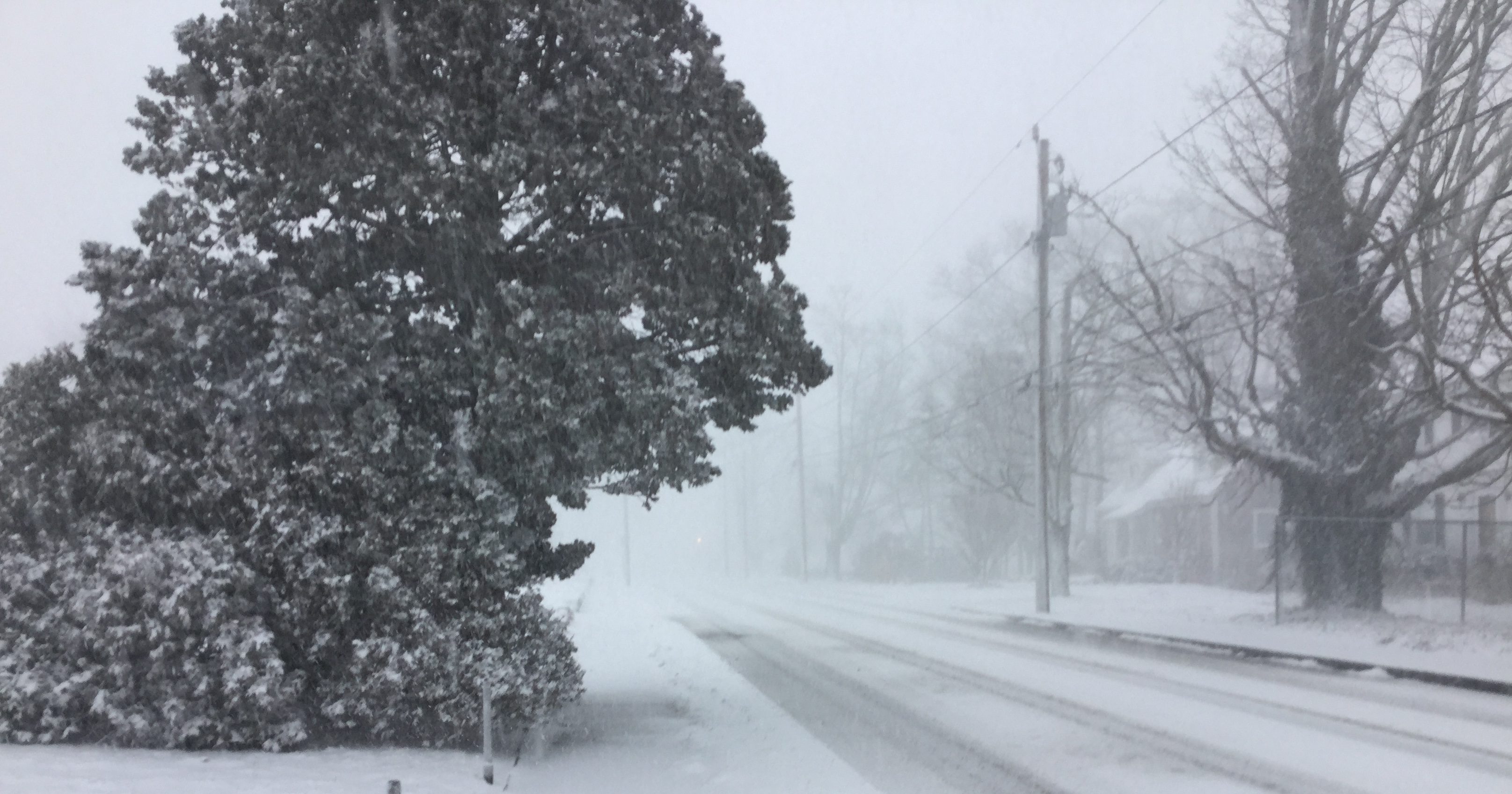
Blizzard Beauty, 2017

Expansion: The thought of dying causes us to embrace life, spending our minutes, days, and hours on this precious earth with appreciation, generosity, and joy. We risk getting close to others because some day death will part them from us. We accept aging with all its gifts and challenges because it has things to offer us that a life of perpetual adolescence cannot. Our lives, and the life of the world, are the richer for such a choice.

Whatever choice we make, however many times we choose one or the other, we are always loved by God. It’s more a matter of whether our living days reflect that love – a warm heart, a curious mind, a trusting spirit.

Perhaps this time and place is what it is in many ways because we made such a choice.

Lord, help me choose the life you have given me this day. Guide my steps, lend compassion to my thoughts and actions, hold my hand when I’m afraid. Amen.

It Is What It Is

It is what it is.

I’ve heard it used in two almost opposing ways.

As a starting point: Begin with how things are and grow from this reality a new and better one.

As the last word: Don’t bother to put in any effort because what is cannot be changed (and I’m not responsible for trying).

The first doesn’t deny reality; it confirms the way things are and affirms that it can be changed for the better. It’s a great truth.

The second doesn’t deny reality, either: it denies that it can be otherwise. In denying the mutable nature of all things, it’s one of the biggest falsehoods ever spoken.

Requiescat in pace/Rest in Peace/R.I.P

I’ve seen these words- Latin, English, abbreviated – on grave markers, obituaries, cards handed out at funerals, and on T-shirts. Rest in Peace. What does it mean to ask that a loved one rest in peace?

Perhaps it’s similar to my memory of running into the open arms of my mother when I was a three year old. Maybe it’s the feeling of total acceptance and joy when my father tossed me into the air and spun me around. Either way, the return was a delight to parent and child alike. If such things happen here, what awaits at the return to God?

Falling into the embrace of God is my best shot at describing death; everyone who has ever felt lost, grief-stricken, bereft, or broken returns to the arms of the one who loves completely. When I say rest in peace, I’m not praying for an eternal night’s sleep: I’m giving back to God loved ones and strangers alike, letting go of the limited love and incomplete understanding I had for them as they let go of this mortal life.

Rest from your troubles. Let go of your limits. These prayers I offer when I say rest in peace.

Priscilla, Rest in Peace.

Through Thick and Thin

I what it means: continuing on regardless of difficulty or condition. But I didn’t know where the phrase came from until I looked it up on The Phrase Finder (www.phrases.org.uk). Originally, the saying was through thicket and thin wood – a description of the English countryside and a reference to the difficulties of traversing it. It shows up in the 1600’s and got shortened sometime between then and now, obscuring its literal meaning.

For better or for worse, in sickness and in health, for richer and for poorer – things I promised to weather with my husband over twenty-four years ago. If we decide to renew our vows (as we did on our 10th anniversary), I think I’ll swap these words for through thicket and thin wood. Perhaps because they aren’t so familiar as the words in the wedding ceremony, they offer something new and precious. Walking through thicket and thin wood together may bring with it unexpected difficulties and arguments, but it brings with it an appreciation of the beauty that surrounds us every step of the way. Perhaps I’ll face the obstacles gladly for the glimpse of the living world that surrounds us and the deepening of the love that binds us together that only comes from the walk.

[The Phrase Finder was founded by Gary Martin in 1997, an outcome of post-graduate studies at Sheffield Hallam University. It’s a marvelous site, including original sources and helpful references for further study. www.phrases.org.uk]


Damned if you do, damned if you don’t…

My doctoral advisor called them dime-between-seat-cushion dilemmas: making an attempt to retrieve the dime requires moving the cushion, which makes the dime slide farther down between the cushions; not making an attempt keeps the dime in place, but still doesn’t get the dime out. Either way, the dime remains beyond reach. Dimeless if you reach for the dime, dimeless if you don’t.

Of course, there are other ways to get the dime. If you happen to have a thin blade, you could come up from beneath the coin and try to pop it up and out. If you don’t mind pulling the cushions apart, you can let the dime fall to the bottom of the chair and then pick it up – assuming that the cushions are removable and the dime doesn’t fall out of reach into the coils beneath. You could tip the whole piece of furniture upside down and give it a good shake. But sometimes the rescue requires too much effort or unavailable tools, and the dime remains beyond reach.

Sometimes, it seems like a life of faith is presented as a dime-between-seat-cushion reality: no matter what you do or do not do, it remains beyond reach. So rules come in as a tool to pop it from underneath, and theological treatises offer seat cushion removal instructions. For those of a revolutionary bent, leaders can be found who will tell you to flip the whole thing upside down and let gravity do its thing. But when one or all of these are attempted, the best outcome is a dime you can hold in your hand and the question you hold in your heart: was such a small thing worth such effort? Damned if you do, damned if you don’t.

The problem with all this isn’t the various methods or means of dime-from-cushion removal; the problem is reducing a life of faith to something so small that it can easily fall and get lost between the cracks. You and I will lose our way, and it may feel like parts of our faith drop away like coins in a torn pocket. But these small things, even when they seem so big, aren’t our lives of faith – and they certainly aren’t the entirety of who we are. Whether we try to retrieve them or not, whether they remain beyond our grasp or not, we can be sure that God will offer us a hand and take us home: loved if we do, love if we don’t.