All posts by Johnna

I am a Christian educator and writer.I have worked in churches, denominational offices, and seminaries. I have a PhD in Theology from Princeton Theological Seminary, with a focus on Practical Theology and educating in faith. In 2010, my book, "How the Other Half Lives: the challenges facing clergy spouses and partners," was published by Pilgrim Press. I believe that words can build doorways that lead to encounters with God through the Spirit.

What will I do with it?

A few years back, an acquaintance of mine dropped her kids at a friend’s house and hit the local bar. After a few hours and way too many drinks, she jumped behind the wheel of her SUV. Going way too fast, she drove straight into a huge oak tree. With no seat belt on, the impact sent her onto the steering column, puncturing an artery and compressing her lungs. Another driver saw the whole thing, called the ambulance, and waited outside the car. Certain she was dead, he didn’t even try to get her out of the car.

She should have died, but the car’s dashboard compressed her body enough to stop the bleeding. She was taken out of the car and flown to Boston. She awoke several days later, damaged, with a long road to recovery ahead, but still alive.

Some said she was lucky because she lived through it; others said she was unlucky to have the crash in the first place. I don’t think she was either because I don’t think it was really an accident. For whatever reason, she put herself in harm’s way – who knows whether she intended to hit the tree or just didn’t care enough about her life to call a cab rather than drive drunk. Either way, this was a desperate act.

But miracles happen. For whatever reason, she was given her life back, given a second chance to honor the grace and holiness of her life. She spent many months in the hospital, then returned to her life – home, children, worries, and blessings.

I’ve often wondered what she thought, waking up to a second chance. It was a very real opportunity to live an almost literally resurrected life. She must have seen it for the holy gift that it was because she never did such a thing again.

I’ve never had such an experience, but every morning I wake up I have the same question and the same choice: what will I do with this life that’s been handed to me once again? Will I see it for the holy gift it is? Mine is an ordinary life, but it’s also a living, breathing resurrection. So is everyone else’s.

Let’s hope I live a life worthy of such a blessing.
 

A New Beginning

Everything is new again – this world, this day, even this aging writer. What will the world do with this new beginning? Will peace overcome strife in our time? I pray for such a renewal.

But renewal starts with me, with the new beginning that each moment brings. I pray for a loving heart, a discerning mind, and a soul that seeks God. May the path I choose this day be a holy one.

May the path you choose this day be a holy and blessed one.

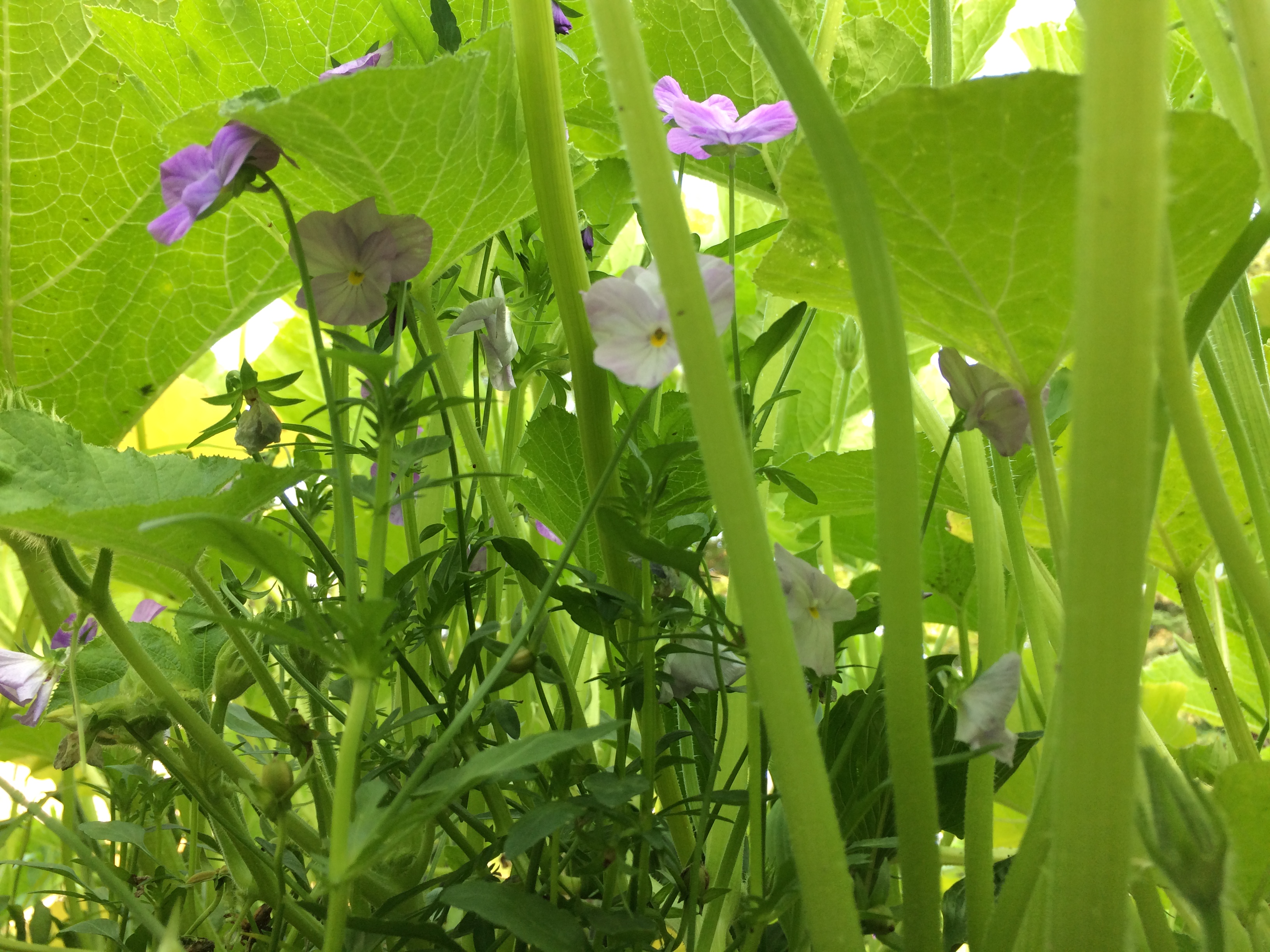
underleaves

A Closer Look

copy-IMG_1542.jpg

It’s the second half of Holy Week. Maundy Thursday, Good Friday, and Holy Saturday stand between me and Easter – the path through the dark woods of my soul. I didn’t grow up in churches that observed these dark days; we went from Palm Sunday to Easter, sometimes with a Wednesday Bible study of the crucifixion, sometimes not. The sanctuary and Sunday school room crosses were always empty: why would anyone put the risen Jesus back on the cross? The resurrection already happened and there was no going back.

I understand why my childhood churches had no crucifixes, and why they emphasized celebration and victory rather than the suffering of Jesus in the garden and the grisly way he died. I can’t say that the people in those churches were any more or less faithful, any kinder or colder – the path of faith runs through all neighborhoods. But I do think something of the human condition was skipped over rather than faced – not about Jesus, but about the rest of humanity. While I hate to admit it, I doubt I’d do any better than the flawed, fragile people who stood by while Jesus died. Most everyone ran away, avoiding the whole scene. A few women and John the beloved disciple managed to stay and hear the final few words from the cross. This reveals more about myself than I usually care to see or admit. I’m no better than anyone else, and I’m just as likely to run away as anyone else. Given the right circumstances, just enough fear for my life, I would betray Jesus, too.

Holy Week isn’t a time to indulge in self loathing: it’s a time to take a long, hard look at myself – faults, strengths, and the whole mixed bag I call my inner and outer life. If I’m honest about what I see, I’ll ask for God to hold my hand as I walk this world. If I’m not, I just might fool myself into thinking I can make the walk alone.

Take my hand, O Lord, and walk with me through these dark days and nights. I need you. Amen.

Why Worship?

A Holy Week offering from Bill Albritton

During this week, I ponder why we worship and what my faith is really about. In confirmation class, we are focusing on the two main creeds we use in our worship service. One, the Nicene Creed, is communal in that we use the plural We. The other is personal, using I as in I believe in God… What do I mean when I make such a declaration?

Saying We believe in God or I believe in God says we have a relationship with God. In other words, God’s existence doesn’t depend on my belief that God exists. It’s a whole different statement than I believe God exists.

I find this very meaningful as I prepare for Resurrection Sunday. In class, we ask ourselves: why worship? One of the answers stared us in the face – a chapter title from J. Gamber’s My Faith, My Life: A Teen’s guide to the Episcopal Church. Chapter Five is Worship: Responding to God’s Blessings. We are giving our hearts to God and declaring our thankfulness for our relationship with the most gracious One. And, as in many relationships, it grows stronger when we spend time together. Maybe that’s as good an answer as any.

For the Food We Eat

Thank you for the world so sweet, thank you for the food we eat,

Thank you for the birds that sing: thank you, God, for everything!

My husband and I went to Trader Joe’s yesterday to buy the usual items: meats, rice cakes, chili peppers, and oats. I’ll walk to Shaw’s for Cabot mozzarella and local free eggs tomorrow, and I’ll stop by the Market Basket near my son’s school for the 10 pound bag of King Arthur Flour. Sometime soon, I’ll order vanilla beans and put them in a bottle of rum to make vanilla extract. Seeds and plants will arrive at my door from John Scheeper’s and Burpee’s garden companies. I’ve noticed how much shopping it takes to put food on the table only because I decided to write about it. I didn’t realize how much shopping I do for life’s basics until I gave up buying life’s extras for Lent.

I can get everything I need at my local market and wheel it home in my metal basket. I can order any number of pantry staples and exotic spices with a click of my mouse. I have the means to put healthy food on my table, and I have the time to enjoy the whole process: creating menus, making grocery lists, shopping, cooking, and eating. All these daily blessings I take for granted.

Today I am thankful for the grocery shopping that I have to do. When the lines at the register are long, I will give thanks. When the grocery bags are heavy, I will rejoice. When I buy food for the community food pantry, I will be grateful.

I hope I remember that grocery shopping is a blessing when I start writing about something else…

images-1

The Stores Not Shopped

Sid Wainer’s, Barnes & Noble, L.L. Bean, Ikea,  and Trader Joe’s are my favorite places to shop. I also love going to the King Arthur Flour Baking Center for a class and some time in their store. I can spend hours in used book shops, pulling out dusty hardbacks and reading their faded inscriptions, loving words penned by strangers I’ll never meet. In the past few weeks, I’ve shopped for groceries and bought a book that my older son needed for a class. I found a pair of Land’s End pants and a winter jacket for my younger son, replacements for the ones he outgrew this winter. My husband and I picked up a few hardware necessities at Lowe’s, and I replaced the necessary toiletries at CVS. But that’s about it, because I’m taking a shopping break for Lent this year. It’s not a crazy or drastic change – I’m still buying food and I haven’t extended the shopping hiatus beyond myself. Until Easter, I’m living with what I have and living without what I don’t.

Here’s what I’ve found so far:

I don’t  miss buying stuff. I’d rather have an uncluttered home than a lot of possessions.

If I don’t go into stores that do not sell necessities, I won’t be tempted to buy the little extras.

I have a better idea of what I already own, and how much of it I don’t use. Spring cleaning this year will involve sorting through clothes outgrown or rarely worn, and I’ll donate the kitchen gadgets no one uses.

I’m not one to spend a lot of money shopping, but I’m surprised how many things I buy without much thought or appreciation. When Easter comes, I’ll return to Ikea for housewares and I’ll pick up a book at Barnes & Noble every so often. But I’ll try to be mindful about whatever I buy, everyday necessities or occasional splurges – more aware of the value of things and less likely to mistake an extravagance for a necessity.


Over a plate and a glass

I went to a funeral today. I didn’t know the man who died, but I’ve known his daughter for years. She is a gift to the town I call home, a sure and steady force for common sense and community service. Today was a chance to offer her my condolences, and to offer a prayer of thanks for the life of her father.

After the church and graveside prayers have all been said, family and friends stay together for one last holy act: sharing a meal. There are stories and memories best told over a loaded plate and a full cup, heard  most gratefully over the scrape of forks and clinking of glasses. This meal that honors a life and its loss isn’t just a nice extra. It is the first act of a family who will gather together and continue to grow, not with but because of the one who is no longer present.

I’m a stranger to the family, so I did not share their meal and stories today. But sometime soon, I’ll chop onions and carrots for soup and make a loaf of bread. I’ll pick up a bottle of wine. I’ll offer these small things to a daughter who buried her father, and I’ll tell her that I am thankful for the man who brought her into this world – a delight to God and a gift to this world. Could I say such words without the food? Perhaps. But they seem easier to say and easier to hear over a plate and a glass than on their own.

One For The Blog

As far as I know, I was the only bartender who went to Princeton Seminary in the ’90’s. Either no one else had tended bar, or no one else would admit to it. It’s too bad, in either case: my time behind the bar gave me admission to the inner and outer lives of so many people. I have no idea how many secrets they told me – fears, hopes, embarrassments, family troubles, and a handful of come-to-Jesus stories. All these treasures given to me in exchange for a Beefeater, a Bud, a Cabernet, and a tip.

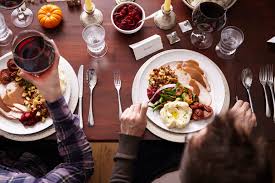
Grandpa Pete drank himself to death, so my parents didn’t have alcohol in the house much – just a glass of wine on Thanksgiving, a New Year’s toast, and a six pack when relatives came over to paint, paper, or repair. My husband and I enjoy wine and beer at home and the occasional mixed drink in a restaurant, but we aren’t exactly heavy hitters. We’ve both seen too many lives ruined by excessive drinking to tip the bottle too often. In moderation, alcohol loosens tongues, encourages self-disclosure, and is a sure sign of hospitality; in excess, alcohol is an excuse for verbal abuse, physical intimidation, and violence – the power of fermentation.

I enjoy having a glass of wine while I make dinner. I treasure the times my husband and I lingered at the table after dinner, splitting the last glass of rioja by candlelight. Wine in hand, I delve deeper into the grace of the moment, and I’m more aware of the wonders of food and companionship. It’s not a necessity, but it’s surely a nicety.

There’s truth in wine (In vino, veritas). Jesus shared wine with his closest friends and his betrayer, and the coming of the Holy Spirit looked to all the world like a bunch of early morning drunks. It’s a marvelous thing to let loose and see the world through more appreciative eyes. It’s a terrible thing to drink away reality and excuse cruelty with a bottle. Hidden compassion and undercover violence are both given out with that drink. Which one do I choose?

Lord, keep watch over me. Amen.

Hospitality On A Plate

I don’t watch Master Chef any more. It’s not that I don’t love a good cooking competition. It isn’t the quality of the cooking, the expertise of the chefs, or the contestants. I just got sick of the yelling, the swearing, the demeaning comments, and the this-isn’t-me-chef-I-can-do-much-better groveling. Not just one of the judges, but all of them reacted to failed dishes as if the cook created the fiasco just to insult their palates. Tears, shame, anger. All over a culinary attempt gone awry. The meanness of it all killed the entertainment value of it for me.

I’ve worked in many restaurants over the years, and worked with many chefs and cooks. Swearing doesn’t bother me, and I don’t find the off-color humor insulting – it’s just the culinary environment (and I’ve got quite a colorful vocabulary myself). But there’s a difference between this kind of back and forth among the staff and what goes on in front of the camera: the one is hospitable, the other destructive. Both end in fantastic food on a plate, but one nourishes the soul while the other shreds it.

Eating and drinking are necessary, life-sustaining daily acts. Preparing a special meal or enjoying one at a favorite restaurant is meant to be a gift of nourishment and hospitality. Nowhere do I see this truth in the judges and their treatment of the home chefs. Perhaps it’s really there, just edited out to increase the drama and ratings. Perhaps honest advice and criticism without an insult wouldn’t get good ratings. Perhaps it’s all just part of the media game. Perhaps, perhaps, perhaps. But something’s gotten lost.

In many cultures, hospitality toward family, friends, and strangers is a sacred practice. In scripture, being hospitable to anyone who sits at the table was considered a faithful act. Who knew what angels we might entertain, disguises as strangers?

Angels or not, I don’t want my zeal for producing a delicious meal to turn a life-sustaining activity into the soul’s punishment.

Gracious God, make my heart hospitable and my table the same. Amen.

That Scent in the Air

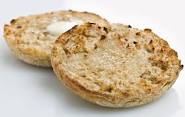
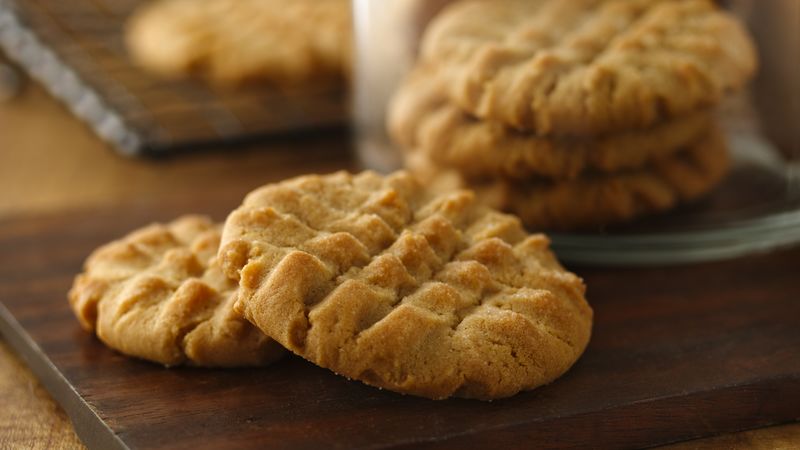
Burnt peanut butter cookies. Butter drenched English muffins. Cinnamon sugar toast. Each of these has a distinct aroma, and each one evokes a very specific memory from my childhood. The cookies: me at five, pressing a sugared fork on dough, baking with my mother. English muffins: me at four and six, having mid-morning snack in my grandmother’s warm kitchen. Cinnamon toast: having breakfast with my sister and brother before walking to my first grade classroom.

search

I’m not the only one who has such aromatic memories. When I made peanut butter cookies in the church kitchen one morning, slightly burning the bottoms, several people stopped by, drawn by the scent in the air and their own memories – a taste of childhood long since left behind and a recollection of someone who loved them, long since passed on.

9ef16162-a02d-44bc-8113-23d655b08e2d

There’s a grace that’s hard to explain in the gift of food and the loving hospitality of another. I feel it every time cinnamon hits a buttered toast and every time I take a loaf of bread out of the oven. It’s life-sustaining, being food and all, but it’s also soul-sustaining, being so wrapped up in the loving care given to me and the loving care I offer others along with the plates and glasses.

Is that why Jesus invited himself over for dinner at the houses of those who most needed someone to accept their love and hospitality? Is it why he sat at table with his beloved disciples before his crucifixion? Was breakfast by the sea more than fresh fish with friends?Could it be that Jesus wants me to catch the scent of holiness whenever I offer and accept food?

Perhaps the kingdom of heaven is the kitchen – it would explain why everyone always gathers there, regardless of the home or host.

Dear Lord, be present to me this day in the breaking of bread, the warmth of the oven, and the scent of soup simmering. Amen.

search-1