Category Archives: Biblical Reflection

Life and Growth

For as the rain and snow fall from the heavens* and return not again, but water the earth,

Bringing forth life and giving growth,* seed for sowing and bread for eating,

So is my word that goes forth from my mouth;* it will not return to me empty;

But it will accomplish that for which I have purposed,* and prosper in that for which I sent it.

Canticle 10: The Second Song of Isaiah (Is.55:6-11), BCP, pp. 86-87

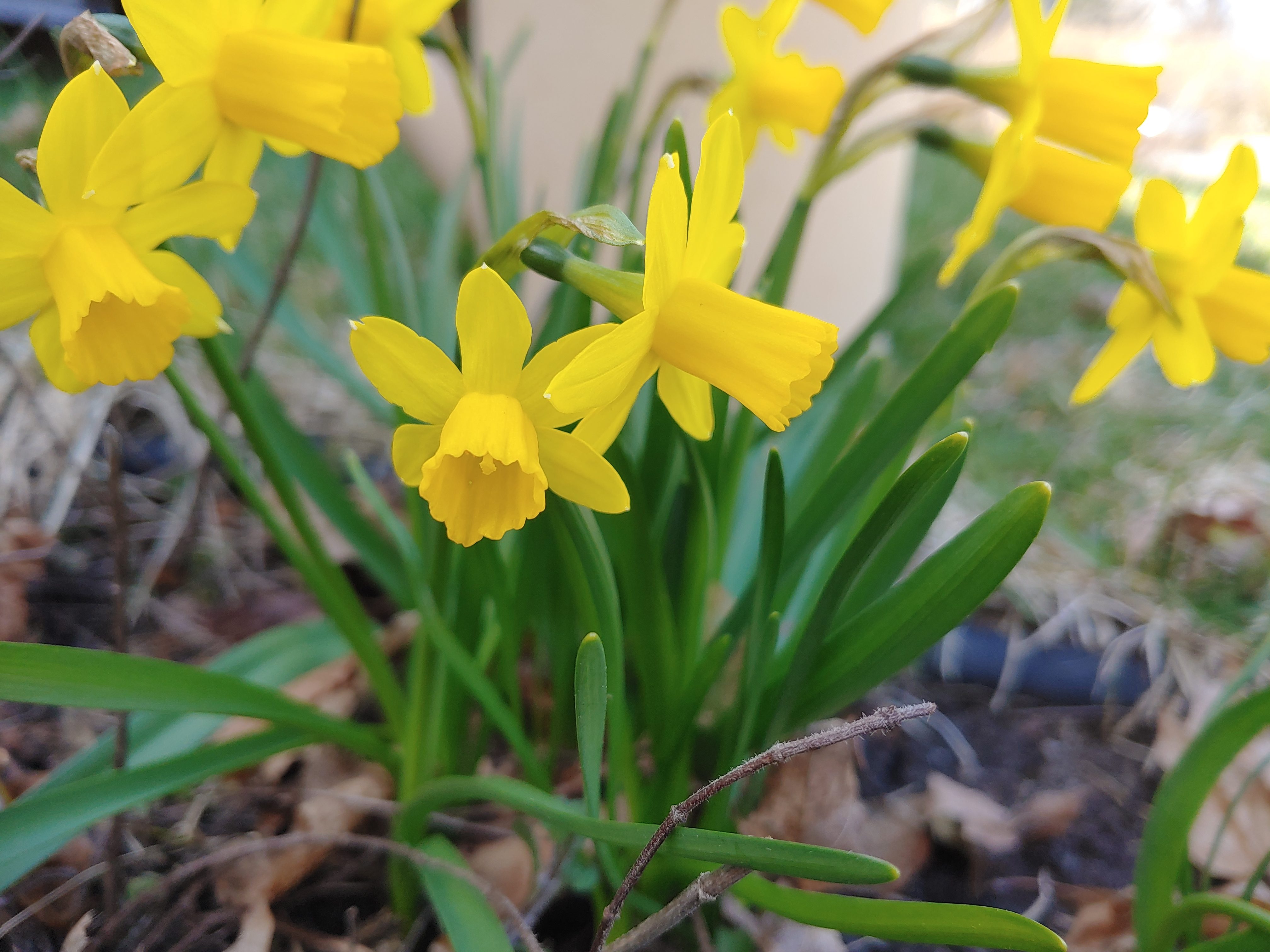
The chives are emerging – green shoots finding their way through last year’s leafy mulch. Onions have been sending up shoots for weeks now, even though I haven’t planted anything this year. Hollyhocks, daffodils, and crocuses are up, too: the every day miracle of perennial and reseeded growth. In another few weeks, it will be tomato, potato, and pumpkin plants – bounty and life  begun from the composted remnants of last year’s crops. All this life, and I haven’t begun to plan or plant this year’s garden yet.
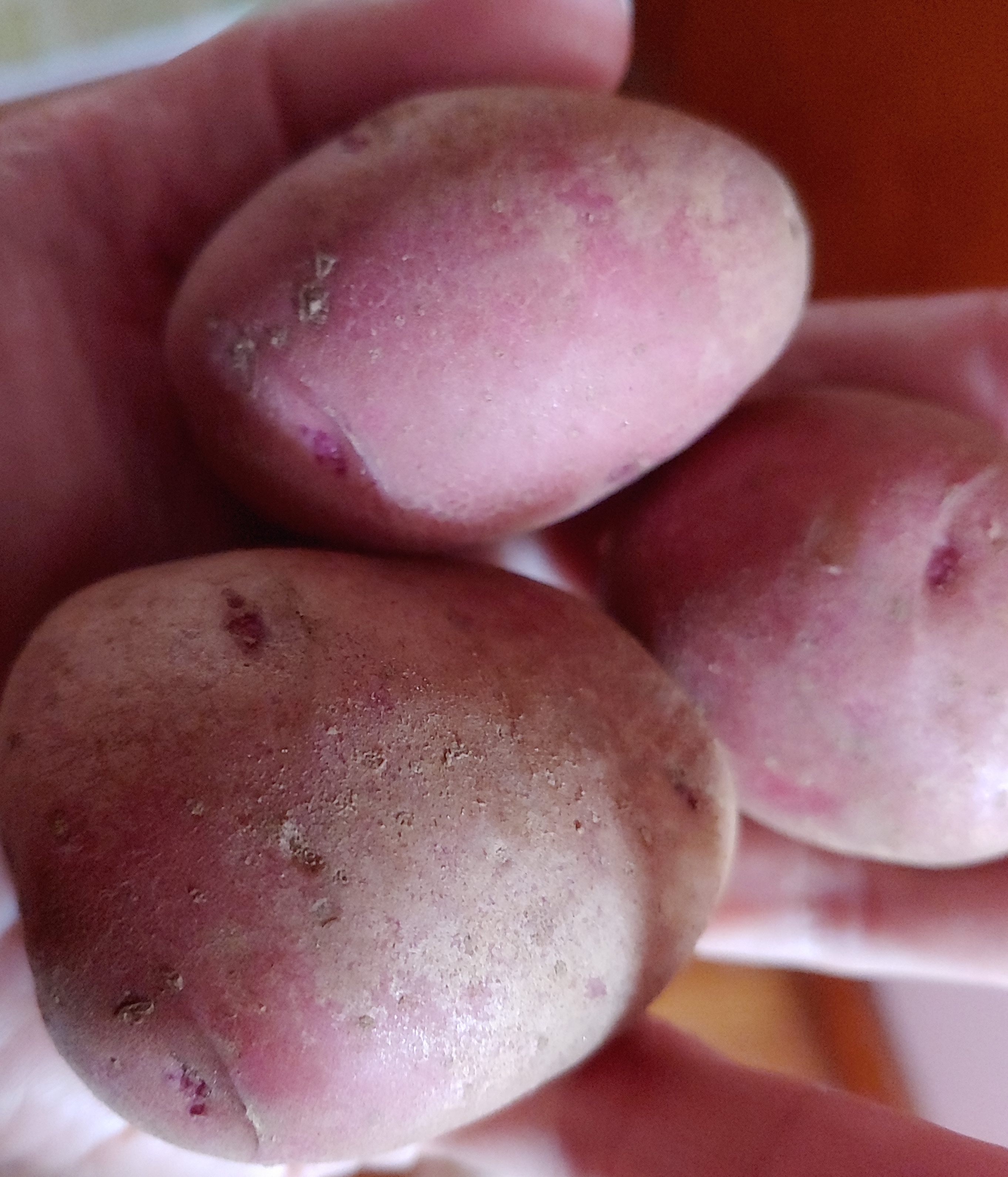
Nature doesn’t seem to waste much; she calls life from the left over, the discarded, and the sowing done decades ago. It is a joy to behold, and a privilege to have a hand in any of it. My investment of time, energy, and a negligible amount of money continue to pay handsomely in beauty and food.
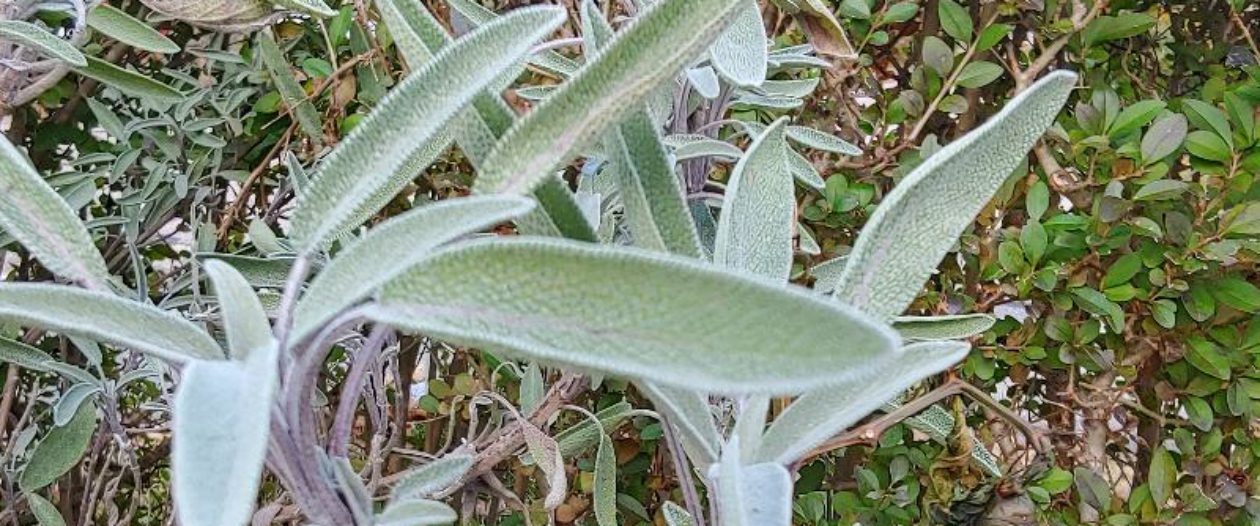
Bringing forth life and giving growth – the Spirit doesn’t seem to waste much, either. Surely She can bring forth life and give growth from even my leftover, discarded, and half-hearted offerings.

Seasonal

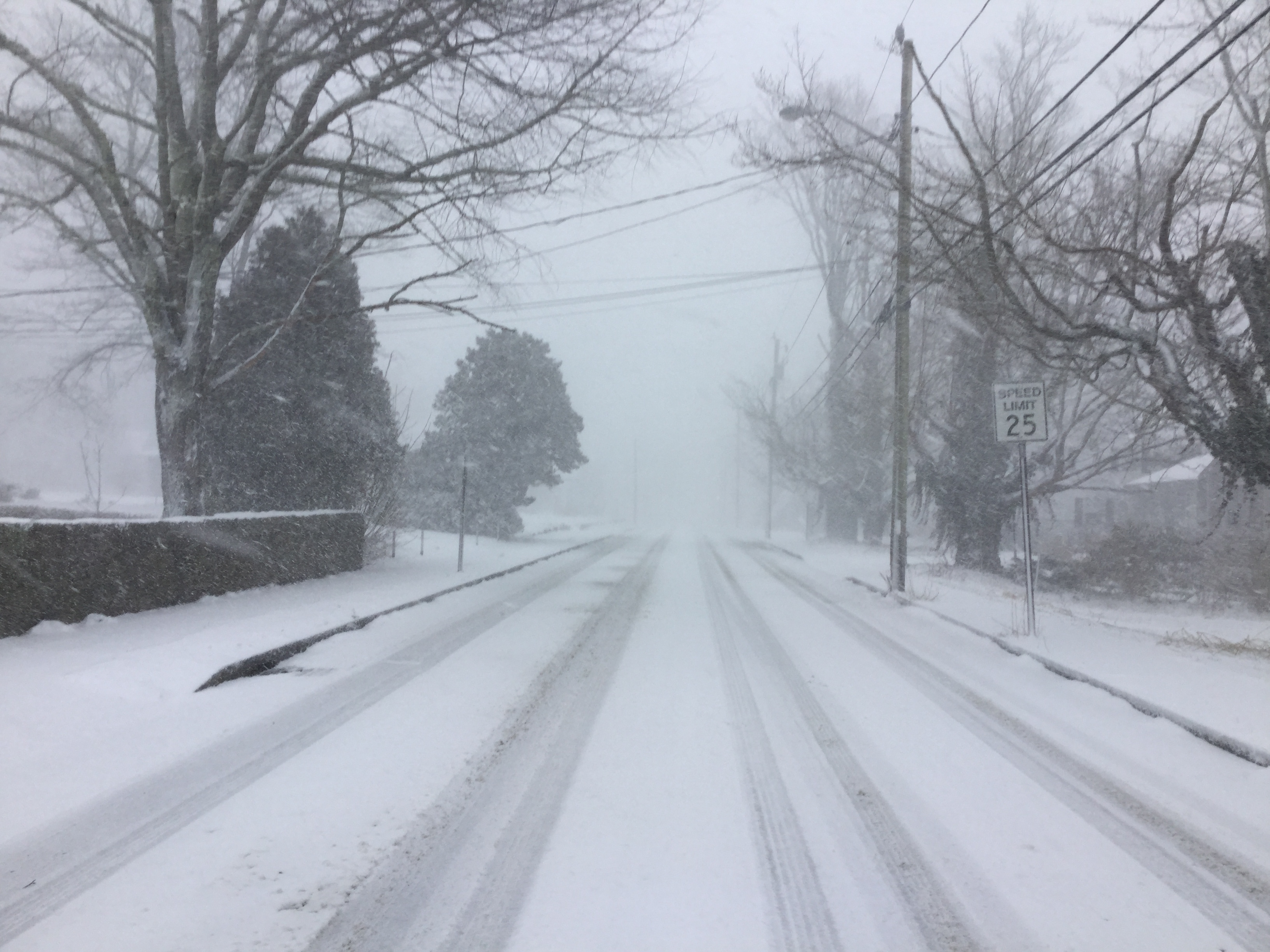
For as rain and snow fall from the heavens* and return not again, but water the earth…

The Water Cycle is one of the first of nature’s systems that I learned. In second or third grade, it was a simple clouds draw water from the ocean and then it becomes rain, waters the trees, then returns to the ocean as river water. As I grew older, more details were added – water tables, seasonal and geographical variants, and the damage that could be done to the whole thing. Drought, acid rain, floods, soil erosion, and pollution became the dark side of the cycle, and the Clean Water Act a sign of hope and wisdom.

The importance of water is obvious: nothing can live without it. There’s a beauty to water changing form: liquid, solid, gas. It’s in the ability to transform that water provides life, and then renews itself. Such a miraculous substance, such a necessity for life to emerge. It’s a privilege to be part of the life that water sustains, and it’s a responsibility: leave it intact for the life that is to come.

Perhaps it’s the same with God’s sustaining and creative word. It is constant and constantly able to be what is necessary for life and for its own renewal. No part of its presence is unnecessary or unimportant, whether it’s in a form I can see or not. If so, then the same thing applies: recognize the privilege and respond accordingly. Leave the fruits of God’s word for the life that is to come.

Heavens above, Earth below

Seek the Lord while he wills to be found;* call upon him when he draws near.

Let the wicked forsake their ways* and the evil ones their thoughts;

and let them turn to the Lord, and he will have compassion,* and to our God, for he will richly pardon.

For my thoughts are not your thoughts,* nor your ways my ways, says the Lord.

For as the heavens are higher than the earth,* so are my ways higher than your ways, and my thoughts than your thoughts. 

For as rain and snow fall from the heavens* and return not again, but water the earth, bringing forth life and giving growth,* seed for sowing and bread for eating,

So is my word that goes forth from my mouth;* it will not return to me empty;

But it will accomplish that which I have purposed,* and prosper in that for which I sent it.

The Second Song of Isaiah (Is. 55:6-11), pp. 86-87, BCP

On one side of Blueberry Hill, just a hike away from Merrymeeting Lake, you’ll find Chalk Pond. It’s spring fed, and the breezes ruffle its surface almost constantly throughout the day. It’s not surprising to see white caps in the Spring and Fall, or for Winter winds to wipe its icy surface clean of snow. Summer sunshine makes a diamond of it, throwing light everywhere.

But evening brings a change. The winds die down and the sun’s rays cannot obscure its surface in a dazzle of light. As the stars appear in the sky, they appear on the dark mirror surface of Chalk Pond. What is above is so clearly captured below that one becomes indistinguishable from the other. Heavens above, heavens below – and the grace of seeing both hundreds and hundreds of times.

If I can be still in my soul, if I can let go of all that ruffles and disturbs, might I reflect in my own small life the infinite wonder of God’s grace?

Nor (or, life isn’t a spectator sport)

The differences don’t end with what goes on in our inner landscapes: the differences continue in our actions, habits, efforts – how our inner worlds manifest themselves in this outer one we share.  Our ways of being and doing are as far from God’s as our thoughts are – maybe even farther.

Knowing what is needed to love God, self, and neighbor – which isn’t easy – is not the same as loving God, self, and neighbor in tangible ways. It takes effort, patience, and true sacrifice to turn what exists only in possibility into an actuality. And once that effort is made, there’s no guarantee that we will see the fruit of our labors. There’s also no guarantee that we will be recognized, thanked or rewarded for any of it.

So why not leave our ideas and ideals in the realm of potentiality? Why make the attempt to follow the Spirit? There’s only one reason I can think of: the cost of not making the attempt is a life only half lived – a spectator sport bereft of tangible joy. Isn’t living the life God gives us, taking up our own crosses, the only true way to live?

God’s ways, Christ’s way, may not be our ways. But we can offer our fragile and fallible ways, trusting that the Spirit just might be willing to turn them to God’s purpose, and that they will lead us to resurrection.

For my thoughts are not your thoughts,*

Nor your ways my ways, says the Lord.

[For more on this series, and the whole canticle, click Lent 2021 above.]

Think, Think, Think

Seek the Lord while he wills to be found;*

call upon him when he draws near.

Let the wicked forsake their ways*

and the evil ones their thoughts;

And let them turn to the Lord, and he will have compassion,*

and turn to our God, for he will richly pardon.

For my thoughts are not your thoughts,*

nor your ways my ways, says the Lord.

One of the most wonderful and frustrating things about the people I love is that they don’t all or always approach life’s joys, sorrows, and all the things in between on the same cognitive footpath I do. While this isn’t surprising when there are disagreements, it’s equally true when there is agreement.

My husband, sons, siblings, and friends have their own pathways, leading to their own conclusions. Sometimes, these mental paths cross with mine; sometimes they don’t. When we share how we arrived at a particular opinion or conclusion, I catch a glimpse of mental landscapes wholly different from my own.

These glimpses remind me of how very limited my own mental meanderings are – even when they lead to good and fruitful places. There are other ways to come to the same place, and there are other places that I cannot reach from my own paths – the equivalent of you can’t get there from here.

Given the variety of paths and the variety of the places such paths lead, it would be silly of me to assume that how and what I know provide the standard for all of humanity’s hows and whats. That goes at least double for the thoughts of God, who created all of us and everything else to boot.

If I remember this, and if I repeat this truth enough, perhaps it will sink in…

For your thoughts are not my thoughts.

[photos by Jared Fredrickson. For more on this series, click Lent 2021 above.]


Forsake

Forsake: To renounce or turn away from entirely. 

[Merriam Webster’s definition is succinct, but if you scroll down a bit, you’ll find an additional note under the synonyms and antonyms button: to leave without intent to return. This isn’t a vacation, a break, a let’s-leave-some-options-open kind of thing. This is a burn-the-bridges action, because there is no going back. www.merriam-webster.com]

Seek the Lord while he wills to be found;*

call upon him when he draws near.

Let the wicked forsake their ways*

and the evil ones their thoughts;

I don’t think of myself as wicked, or as an evil mastermind plotting the downfall of all that is good and holy. But I am quite blind to my own limitations, and whatever damage they do to neighbors far and near. I need an outsider’s perspective to shine a light on what I cannot and do not wish to see. Without such help, I cannot renounce or turn away from what is maiming my spirit and harming others. My small and fearful self doesn’t want to die, even when that death is necessary for a new self to be resurrected out of its ashes.

Giving this perspective, this help, is a prophet’s calling – and the reason so many prophets are killed. No one likes to die, even if the death of a small self offers a blessed, more expansive life. It’s far easier, perhaps, to kill the messenger than to admit to what is choking the life out of the spirit.

If I didn’t know in the deepest recesses of my soul that God was present, just a breath and a word away, would I have the courage to let go of even the least of my limitations?

God, give me strength to forsake what is killing me and harming others and give my neighbor a double portion of that strength. In Jesus’ name I pray, So Be It.

Seek the Lord while he wills to be found; call upon him when he draws near.

Let the wicked forsake their ways, and the evil ones their thoughts;

And let them turn to the Lord, and he will have compassion, and to our God, for he will richly pardon.

For my thoughts are not your thoughts, nor my ways your ways, says the Lord.

For as the heavens are higher than the earth, so are my ways higher than your ways, and my thoughts than your thoughts.

For as the rain and snow fall from the heavens, and return not again, but water the earth, 

Bringing forth life and giving growth, seed for sowing and bread for eating,

So is my word that goes forth from my mouth; it will not return to me empty;

But it will accomplish that which I have purposed, and prosper in that for which I sent it.

Glory to the Father, and to the Son, and to the Holy Spirit: as it was in the beginning, is now, and will be forever. Amen. [The Second Song of Isaiah, BCP, p. 86-87]

 photo by Jared Fredrickson

A Light in the Window

The true light, which enlightens everyone, was coming into the world. John 1:9

From Thanksgiving through New Year’s Day, taking an evening stroll through my neighborhood is a joy. Christmas tree lights offer color and sparkle. Santas and snowmen – light-up, blow-up, and of the hard plastic variety – populate front yards. Wreaths and garlands hang on doors, illuminated by porch lights. And in the windows, candles.

Most of those things disappear within a few days of December giving way to January. But this year, the candles remain. As if by some spiritual consensus, the candles shine through window panes still, offering light in the darkness for whomever happens to pass by. These candles don’t offer light selectively, they illuminate the path for everyone and anyone.

What a simple, faithful truth these candles reveal: the true light is for everyone, no exceptions. You, me, and everyone else. If that isn’t a sure sign of hope and love, what is?

Shining A Star Light

Readings: Psalm 124; Jeremiah 31:15-17; Revelation 21:1-7; Matthew 2:11b-18

Opening their treasure chests, they (the Magi) offered him gifts of gold, frankincense, and myrrh. And having been warned in a dream not to return to Herod, they left for their own country by another road.

Now after they had left, and angel of the Lord appeared to Joseph in a dream and said, “Get up, take the child and his mother, and flee to Egypt, and remain there until I tell you; for Herod is about to search for the child, to destroy him.” Then Joseph got up, took the child and his mother by night, and went to Egypt, and remained there until the death of Herod. This was to fulfill what had been spoken by the Lord through the prophet, “Out of Egypt I have called my son.”

When Herod say that he had been tricked by the wise men, he was infuriated, and he sent and killed all the children in and around Bethlehem who were two years old or under, according to the time that he had learned from the wise men. Then was fulfilled what had been spoken through the prophet Jeremiah: A voice was heard in Ramah, wailing and loud lamentation, Rachel weeping for her children; she refused to be consoled, because they are no more.” [Matthew 2:11b-18, NRSV]

In all my years at church, I’ve only heard one or two sermons on it. No one seems eager to offer such a horror story between Christmas at the manger and magi on Epiphany. The magi go home by another road, Jesus and his family escape to Egypt; it’s easier to focus on these good outcomes than on what happened in the left behind town of Bethlehem. But the story is there, a testament to the cruelty the world visits upon the young and innocent who lack the means or opportunity to find a safe haven.

The madness of a single person in a position of power can extinguish life, stealing the future of so many without thought and sometimes seemingly without repercussions. Sometimes, such evil is hard to see or understand in a direct way ; it’s contours are obscured in darkness. It is only when a light is shining that it becomes visible, and is recognized for what it is.

Epiphany is revelation, a light shining on God In Our World. Epiphany is revelation, a light shining on evil within our world and ourselves. I would do well to remember this. Better to see the cruelty in my own heart and offer it up to God for transformation than to visit it upon the innocents in my own place and time.

OMG

Readings: Isaiah 52:7-10; Psalm 98; Hebrews 1:1-4 (5-12); John 1:1-14

The Word was first, the Word present to God, God present to the Word. The Word was God, in readiness for God from day one.

Everything was created through him; nothing – not one thing! – came into being without him. What came into existence was Life, and the Life was the Light to live by. The Life-Light blazed out of the darkness; the darkness couldn’t put it out.

There once was a man, his name John, sent by God to point out the way to the Life-Light. He came to show everyone where to look, who to believe in. John was not himself the Light; he was there to show the way to the Light.

The Life-Light was the real thing: Every person entering Life he brings into the Light. He was in the world, the world was there through him, and yet the world didn’t even notice. He came to his own people, but they didn’t want him. But whoever did want him, who believed he was who he claimed, and would do what he said, he made to be their true selves, their child-of-God selves. These are the God-begotten, not blood-begotten, not flesh-begotten, not sex-begotten.

The Word became flesh and blood, and moved into the neighborhood. We saw the glory with our own eyes, the one-of-a-kind glory, like Father, like Son, Generous inside and out, true from start to finish. [The Message, John 1:1-14]

John 1: 14 And the Word became flesh and lived among us.
 
When I worked in San Antonio there were large billboards that had messages of faith prominently displayed along major highways. These billboards could be seen in various parts of the country and were rather thought-provoking. One I remember said “DON’T MAKE ME HAVE TO COME DOWN THERE!” and was signed “GOD”. I remember thinking, “well, I guess we did—thank you.”
These words in John’s prologue say it all. Eugene Peterson, in The Message, interprets this verse: “The Word became flesh and blood, and moved into the neighborhood”. How amazing and awesome is this!
This Word that was in the very beginning, which was with God, which was God, which created all things, is now here in our midst as one of us. Jesus has arrived and is living next door. May we invite him into our homes and welcome him into our hearts today. Oh, my God!
Offered by Bill Albritton, seeker of the Life-Light.

Children and Shepherds, Seeking Jesus

Readings: Isaiah 62:6-12; Psalm 97; Titus 3:4-7; Luke 2:8-20

In that region there were shepherds living in the fields, keeping watch over their flock by night. Then an angel of the Lord stood before them, and the glory of the Lord shone around them, and they were terrified. But the angel said to them, “Do not be afraid; for see – I am bringing you good news of great joy for all the people: to you is born this day in the city of David a Savior, who is the Messiah, the Lord. This will be a sign for you: you will find a child wrapped in bands of cloth and lying in a manger.” And suddenly there was with the angel a multitude of the heavenly host, praising God and saying, “Glory to God in the highest heaven; and on earth peace among those  whom he favors!”

When the angels had left them and gone into heaven, the shepherds said to one another, “Let us go now to Bethlehem and see this thing that has taken place, which the Lord has made known to us.” [Luke 2:8-15, NRSV]

When I think of the Advent season,I go back to my roots.
I was born in a small rural village called Newbold,  just outside Rugby, Warwickshire, England. My sisters and I attended St. Botolph’s Sunday School in a small stone church similar to Christ Church. I’m sure that’s where we heard the Christmas story. We knew about the shepherds on a winter’s night listening and seeing the beautiful angels.
We went Christmas caroling and the one carol that I remember was Once in Royal David’s City stood a lowly cattle shed We were familiar with cattle sheds because the hillsides in our village had sheep and cows and cattle sheds. This is where the Christmas story came to life.
We could imagine the shining stars all about and one special star that guided the three kings to the cattle shed where Jesus was born. In that small village we could imagine shepherds on the hillsides with angels and bright stars. We were filled with anticipation, but not for presents and gifts.
When Christmas finally came we were filled  with the same excitement as the shepherds felt to see the Holy  Infant. We enjoyed home baked candy, cookies and cakes. We were very happy, filled with the Christmas spirit.
So Advent to me brings back warm feelings that I felt as a nine year old child. On a cold winter’s night I still enjoy the bright stars and I am still looking for that bright star which will lead me to Baby Jesus  and the true meaning of Christmas.
Offered by Anita Trottier, child of God bound for Bethlehem.
  [Holy Family,  by Margaret Hill]