Category Archives: Advent

Almost in Sight

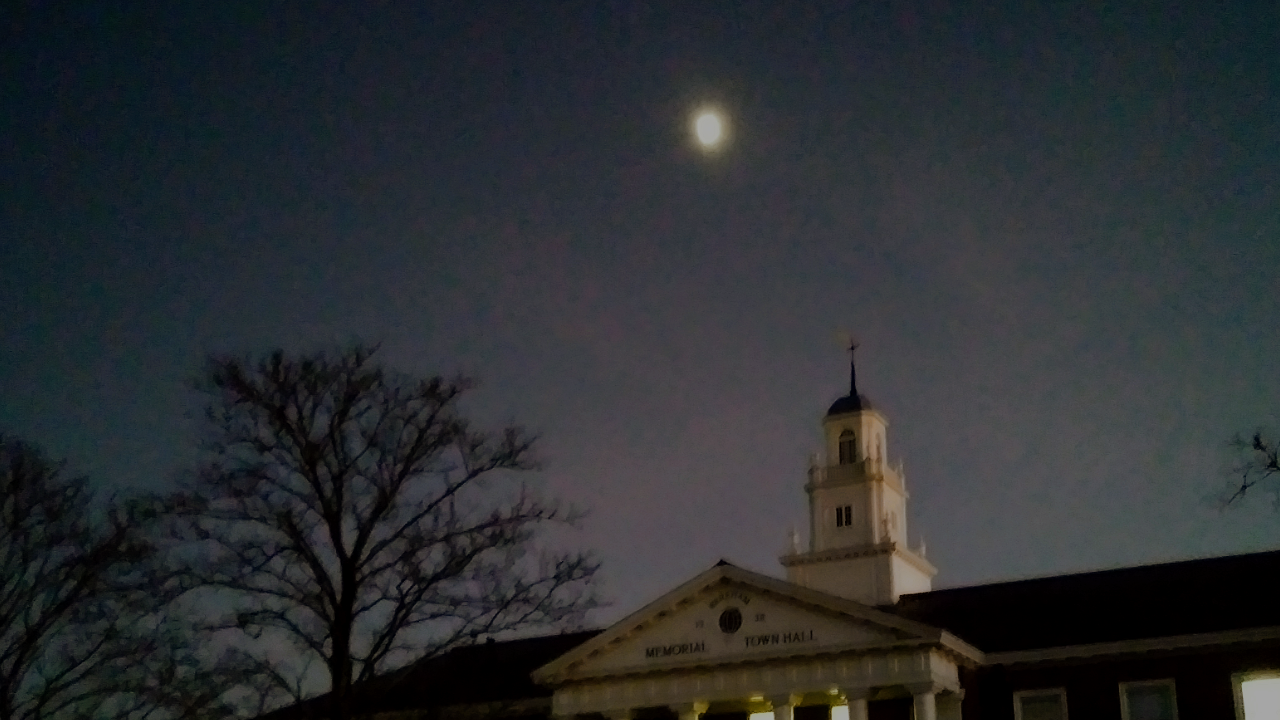
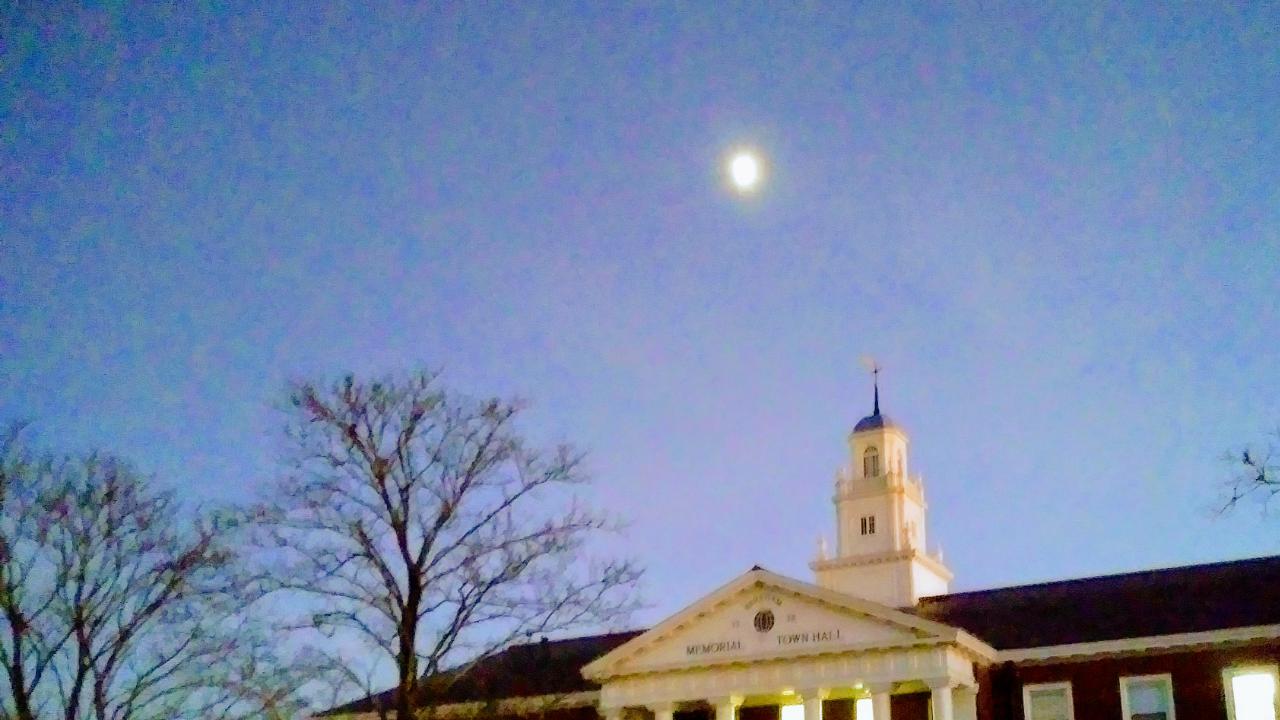
It’s strange to have a week between Thanksgiving and the beginning of Advent. Most years, it’s Thanksgiving, Friday to rest, Saturday to prepare church activities, and Sunday to light the first candle on the Advent wreath. These days are a strange bonus, extra time that I hadn’t expected and hadn’t thought to fill with planned activities or responsibilities. And the most extraordinary thing has happened: I’ve seen the moon every day as well as every night.

Seeing the moon while the sun hangs in the sky isn’t an every day occurrence, but it’s not exactly a rare thing, either. Noticing the moon by day is another thing. It’s easy to miss it, sitting at my desk, attending to the housework, driving to the market. Without night’s dark sky, the moon blends in with the clouds and is outshone by the sun. I have to look for it if I want to see it, otherwise I’ll miss it in the brightness of the day.

There’s an Advent lesson here for me, one I might have missed without this in-between week. If I don’t look for it, if I don’t leave some time open between holiday gatherings and the extra work they bring, I’ll miss out on the constant if understated presence of holiness this life holds. In the season dedicated to welcoming God-With-Us, it would be a tragedy to see the grace of God only in the expected times and places (Sundays, Christmas Eve, church services, saying grace before dinner).

The season of waiting is almost here, it’s true meaning almost in sight. Lord give me the good sense to look for it, day or night.

Photographs taken by Jared Fredrickson


The Wait

I’m not much of a Black Friday shopper, nor are my husband and sons. So yesterday we headed for Boston to enjoy burgers in Cambridge and a visit to the Museum of Science. As we drove through Quincy, we spotted the cars. Hundreds were lined up on I93 and Route 3, stretching up to a mile away from the exits for the South Shore Mall. A quick look at the mall parking lot and the roads leading to them revealed hundreds more cars, all trying to get into a parking space and into the stores. As we drove past, we were all happy to be heading elsewhere. A three mile walk, four delicious burgers, and a visit to a special football exhibit at the museum added up to a great outing. Leaving the T station just before six pm, we drove past hundreds more cars heading for a filled-to-capacity mall. I wondered how many people sitting in those cars enjoyed their day. Was a day shopping worth the wait?

Time is a precious resource, something I do my best to remember. The time I spent with my family didn’t provide me with packages and presents bought at the best possible prices: it gave me memories of a day spent together rather than spent apart. I can’t wrap them, but they are so valuable to me, worth every penny and every minute I spent.

My sons return to homework and class schedules tomorrow. My husband and I take up our work tasks and holiday responsibilities. It’ll be another four weeks before we have the pleasure of a day spent together. But that’s okay – such waiting fills my soul with love and gratitude, treasures that can never be discounted or found at the local mall. Is there any better use of my time?

A SAD Season

Readings:  Isaiah 9:2-7; Psalm 96; Titus 2:11-14; Luke 2: 1-14

Winter is a tricky time of year.  For some it is memories of snowmen, skiing, holiday parties, and the adventure of swirling blizzards.  For others it brings the bleakness of short days and cold nights, Seasonal Affective Disorder (SAD), holidays muted by the absence of departed loved ones, or the urge to get to the warmth of Florida as quickly as humanly possible.  So it is, as the days of autumn rush toward late December, that many experience a paradoxical mix of anticipation and melancholy.

Over two-thousand years ago, as the days continued dark and discouraging for the people of Israel—occupied by Roman legions, deluged by worldly ways, ruled by a “king of the Jews” who wasn’t even Jewish—there was a similar mix of anticipation and melancholy.  For hundreds of years their lives had not been their own as they were overrun and ruled by one kingdom after another with only the briefest glimpses of freedom.  They had lived in this condition long enough that their various responses to their plight to become solidified into sects—Sadducees, Pharisees, Essenes—each with their own politics, theology, and lifestyles.  One of the few things they may have had in common was the word of the prophet, Isaiah.

1Nevertheless, there will be no more gloom for those who were in distress. In the past he humbled the land of Zebulun and the land of Naphtali, but in the future he will honor Galilee of the nations, by the Way of the Sea, beyond the Jordan—

2The people walking in darkness have seen a great light;

on those living in the land of deep darkness a light has dawned.

3You have enlarged the nation and increased their joy;

they rejoice before you as people rejoice at the harvest,

as warriors rejoice when dividing the plunder.

4For as in the day of Midian’s defeat, you have shattered

the yoke that burdens them, the bar across their shoulders,

the rod of their oppressor.

5Every warrior’s boot used in battle and every garment rolled in blood

will be destined for burning, will be fuel for the fire.

6For to us a child is born,

to us a son is given,

and the government will be on his shoulders.

And he will be called

Wonderful Counselor, Mighty God,

Everlasting Father, Prince of Peace.

7Of the greatness of his government and peace

there will be no end.

He will reign on David’s throne

and over his kingdom,

establishing and upholding it

with justice and righteousness

from that time on and forever.

The zeal of the Lord Almighty

will accomplish this.

Isaiah 9:1-7 (NIV)

The days in which Isaiah uttered these words were days of hardship and fear.  The northern kingdom of Israel had been overrun in an Assyrian invasion.  Isaiah’s friends in the southern kingdom of Judah feared a similar fate.  It was during these tense times that the Lord spoke through Isaiah with a message of hope.  A light… a nation… a victory… a child… a King!

In one sense very little had changed in Israel in the 700 years since the time of Isaiah’s prophecy.  Instead of the Assyrians or the Babylonians it was the Romans.  Conditions were much the same.  His words would have fallen on the ears of those in Jerusalem, Nazareth and Bethlehem in much the same way they had been heard by their ancestors: Don’t despair.  God’s anointed messiah was on his way!  Can you imagine the mixed emotions of anticipation and melancholy?  Can you imagine the relief and joy of those who actually witnessed the life of the Child… the Son… the King?

Two-thousand more years have come and gone.  Have our lives been overrun by worldly ways?  Are we ruled by kings who bear no resemblance to the King of kings?  Are we beginning to question the promise of the messiah’s Second Coming?  Are we experiencing a SAD season—memories of spiritual victories and God’s breakthrough moments tempered by defeat and discouragement and a desperate longing for something more?  Is it only melancholy, or is there a hint of anticipation?

Isaiah’s words were enough for his contemporaries as well as those who were tending their flocks on the hillsides around Bethlehem 700 years later.  Are they enough for us today?  In these tricky days of winter they are enough!  Winter is a season of our spiritual lives when we may not see much happening.  We may feel the melancholy that comes with dormancy.  Yet, if we can but lift our heads above the snowbank we will get a glimpse of what is coming—a glimpse of springtime showers, summer warmth, and harvest time.  Let the words of Isaiah kindle a spark of anticipation in your soul.  The SAD season won’t last forever!

Come, Lord Jesus, Come.

Words offered by David Shaw – minister, listener, child of God.
 

Mary’s Faith

Readings: Luke 1:46b-55; 2 Samuel 7:18, 23-29; Galatians 3:6-14

My soul magnifies the Lord, and my spirit rejoices in God my Savior.

Luke 1:46b-47a

During this Advent, we have been reading periodically from Galatians—often called the Magna Carta of Christian liberty. In this epistle, Paul makes one of his strongest cases against the legalism that had infiltrated the Mosaic law with it’s focus on ourselves—our performance of good works, our sacrifices and ritual observances. Paul reasserts that our salvation comes solely from God—salvation through faith in Jesus Christ, sola fide, justification through faith alone. The focus must be on God.

Mary knows this. Today we read in Luke’s gospel her wonderful song—the Magnificat. It’s all about what God has done and is doing in her life, about servanthood and surrender:”…for the Mighty One has done great things for me…”(Lk. 1:49a).

Have you ever wondered what might have happened to Mary if not for God’s grace and her surrendering to it? Would she have been stoned to death under the law had not Joseph also surrendered to God’s message and stepped forward? Most likely. What then?

Well, thanks be to God we don’t have to go there. Instead, we can go to the manger, bend the knee of our hearts and offer the gift of ourselves as did Mary, allowing the Mighty One to do great things for us.

Come Lord Jesus, come

Offered by Bill Albritton, writer and seeker of the Christ Child.

House of God

Readings: Luke 1: 46b-55; Isaiah 33:17-22; Revelation 22:6-7, 18-20

And he said to me, “These words are trustworthy and true, for the Lord, the God of the spirits of the prophets, has sent his angel to show his servants what must soon take place.”

“See, I am coming soon! Blessed is the one who keeps the words of the prophecy of this book.”

I warn everyone who hears the words of the prophecy of this book: if anyone adds to them, God will add to that person the plagues described in this book; if anyone takes away from the words of the book of this prophecy, God will take away that person’s share in the tree of life and in the holy city, which are described in this book.

The one who testifies to these things says, “Surely I am coming soon.” Amen. Come, Lord Jesus! 

Revelation 22:6-7,18-20

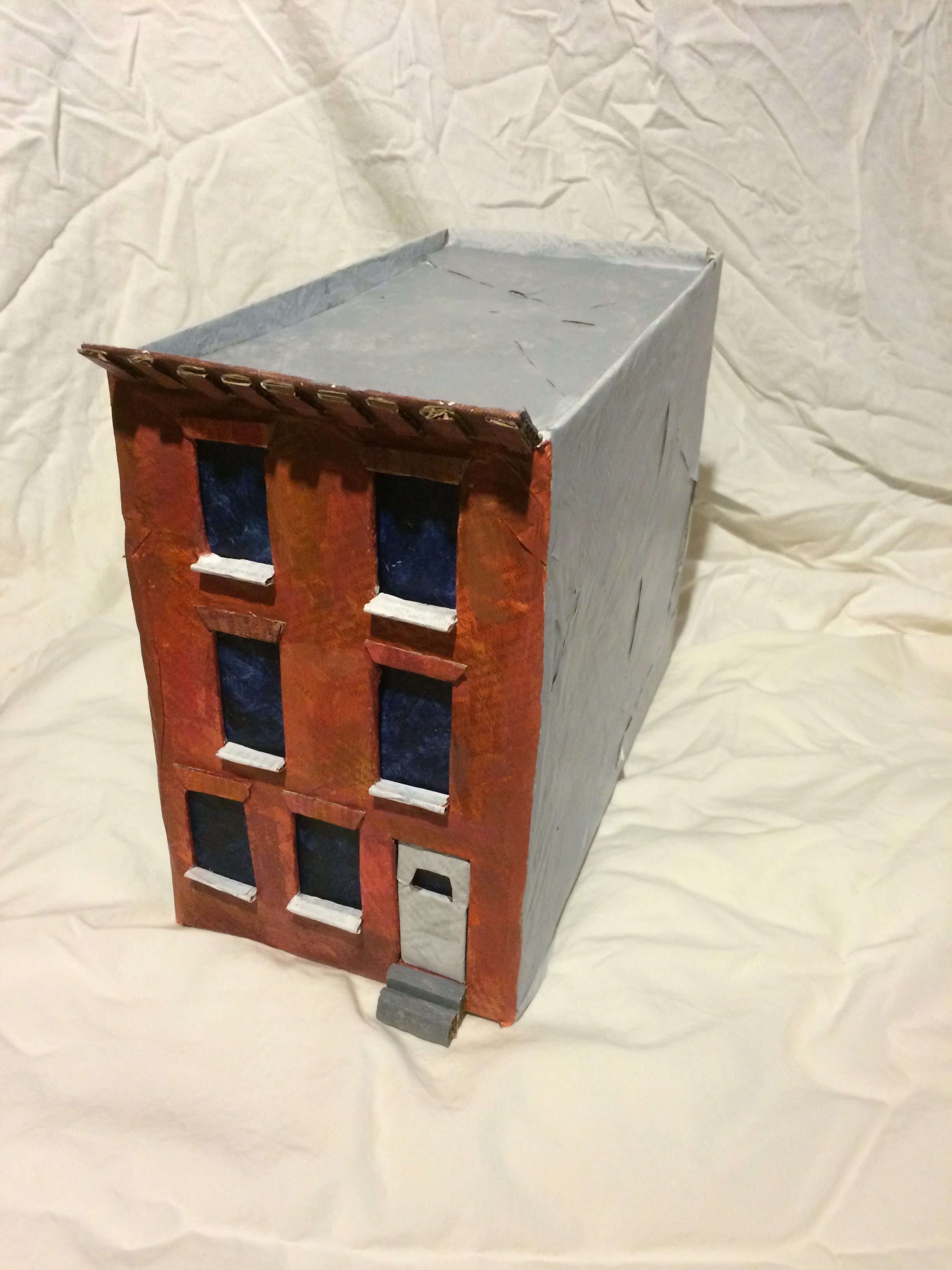
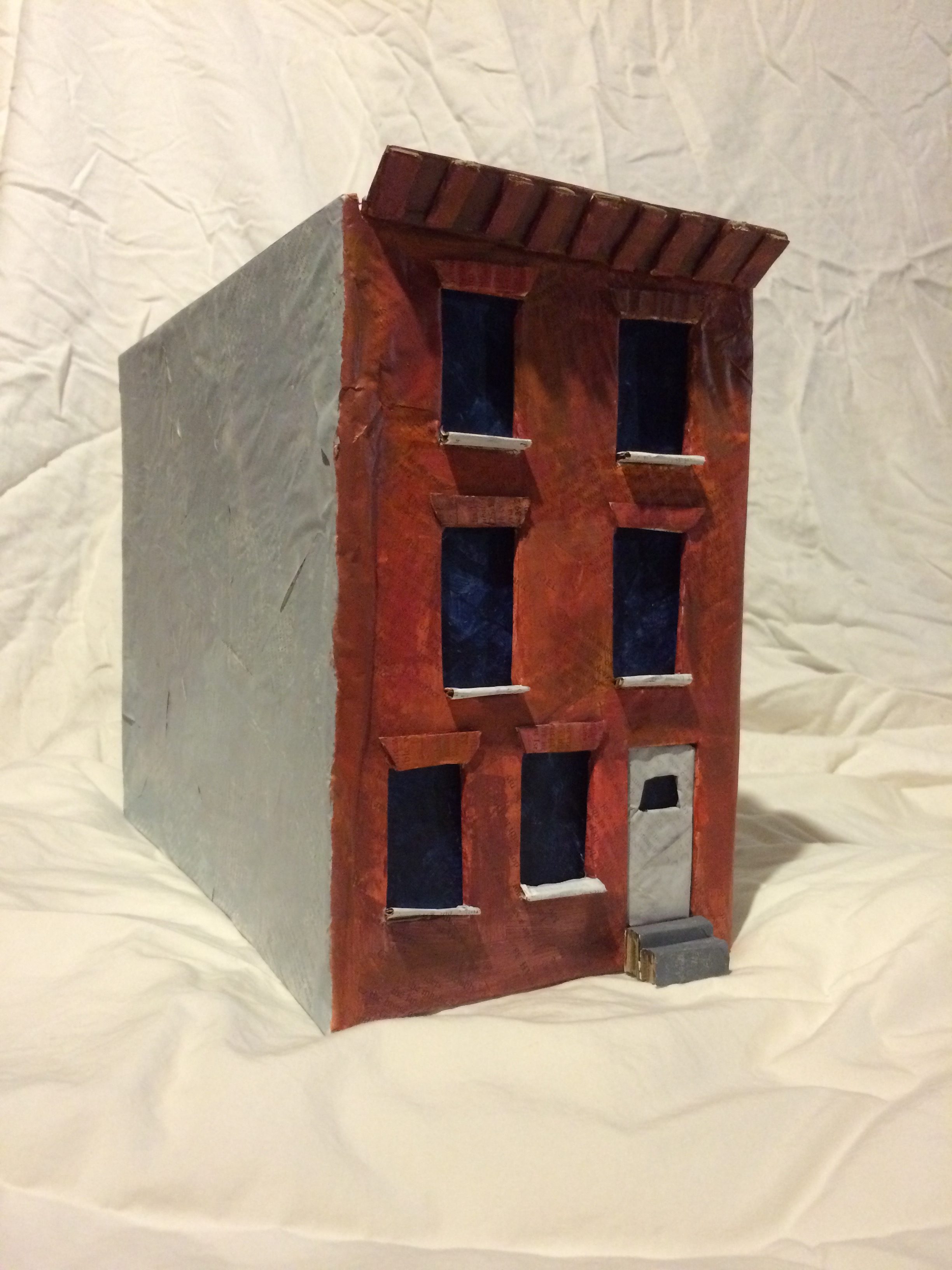
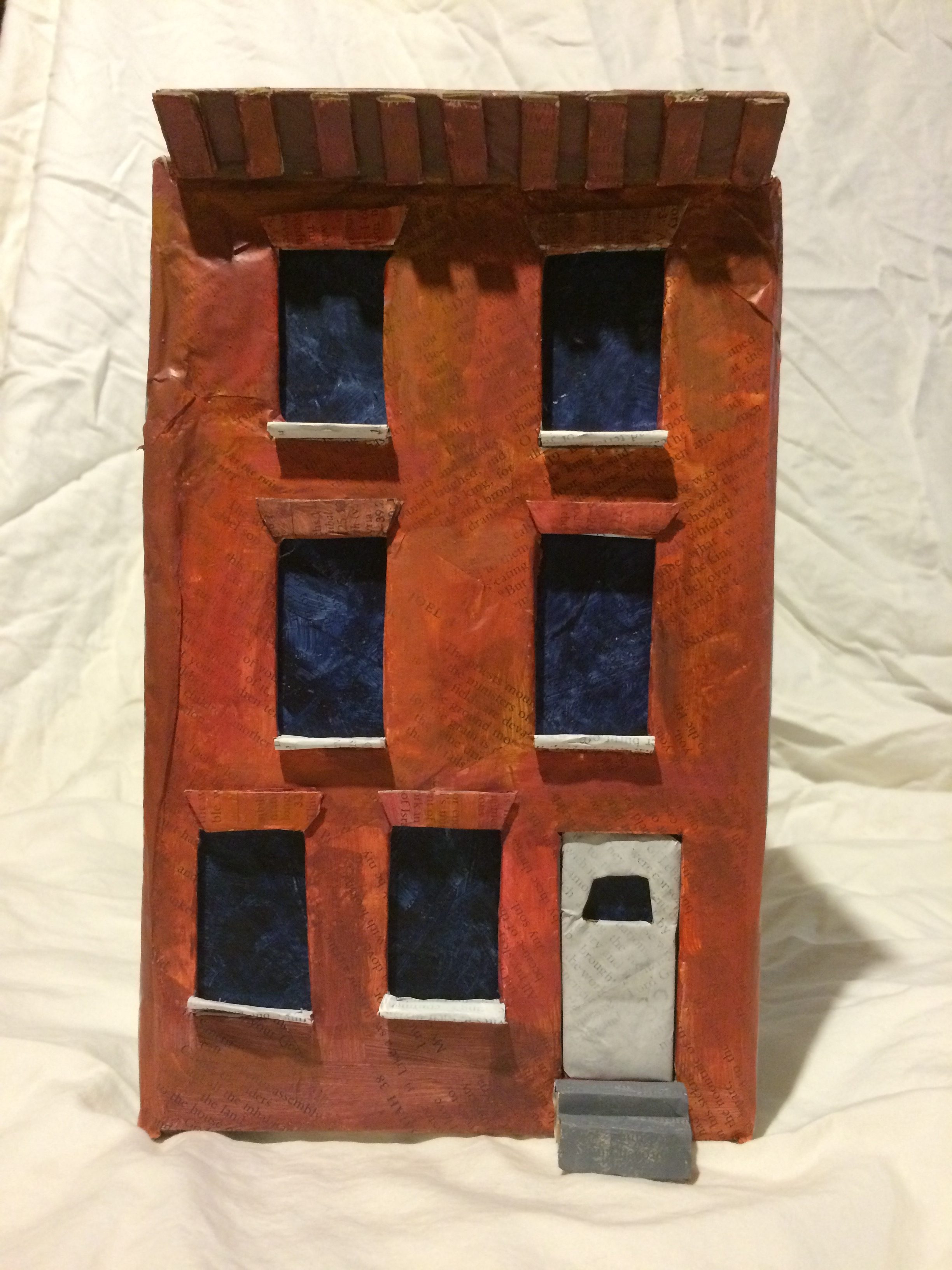
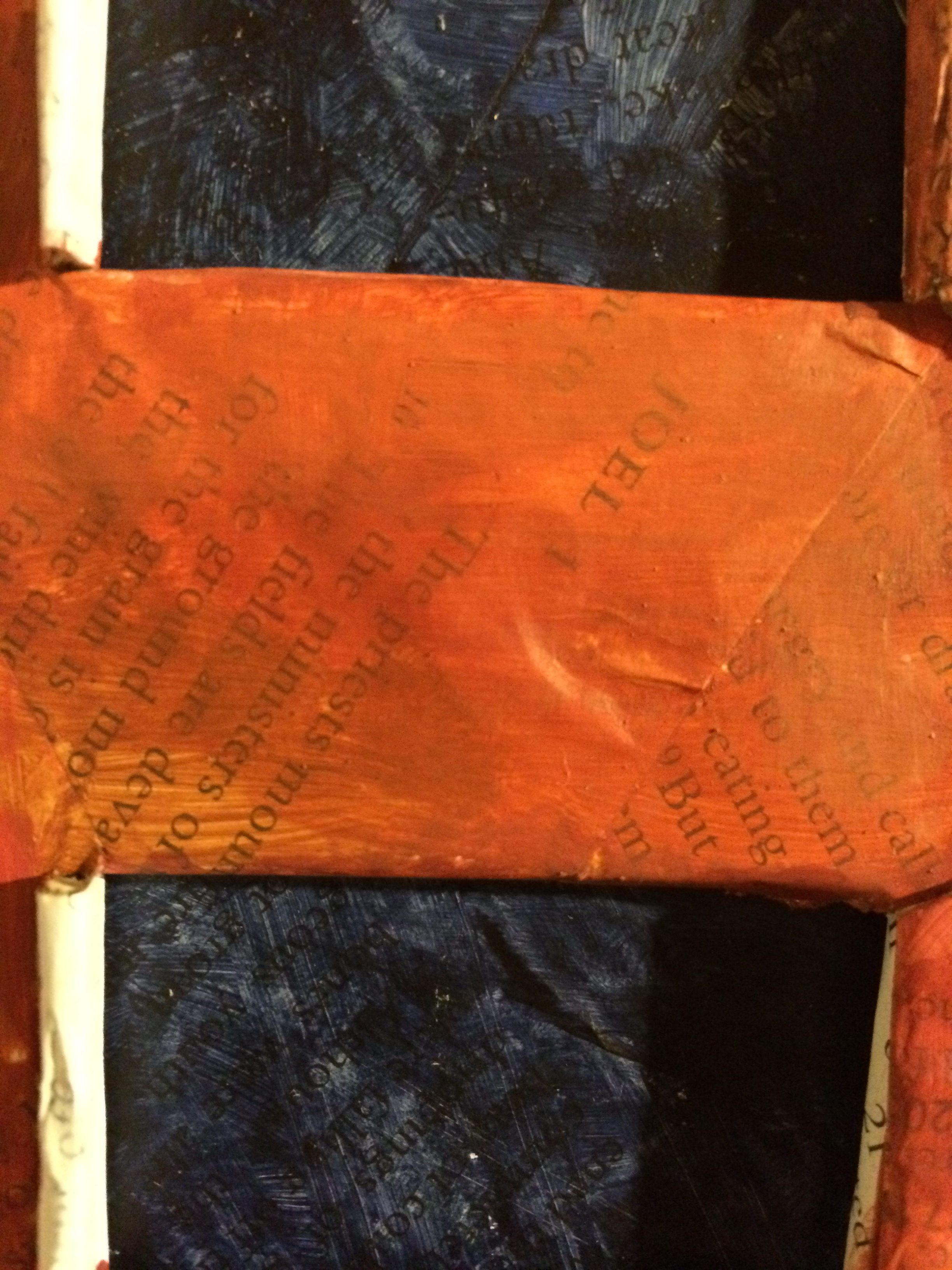
Row House 2


Row House 3


Row House


Row House 4

Offered by Colin Fredrickson, coed, observer of city life, seeker of the Christ Child.


Hannah’s Song

Readings: I Samuel 2:1-10; Genesis 37: 2-11; Matthew 1:1-17

For not by might shall a man prevail. 1 Samuel 2:9

Some people are people watchers. It’s their hobby to closely observe strangers in airports or shopping malls as they go about their daily business. People watchers usually have highly developed skills of extrapolating meaning, whether accurate or not, from what they see. They have mastered interpreting nonverbal communication to arrive at conclusions about their subjects without ever knowing them.

I’m an English teacher and a logophile, so I do with words what people watchers do with actions. I listen carefully to how people orally express themselves, the words they choose, the way they use sentences to convey their thoughts.  Based on my observations, I draw conclusions and often go further to making judgments.

The Scripture above intrigues me because of its use of the words might and prevail.  What are other fill-in-the-blank choices? Might could mean physical strength or will, power, or control. Prevail connotes to triumph, conquer, and overcome. But the important takeaway of the verse is that neither might nor any of its synonyms win out in the end. Further, Hannah’s Song of Thanksgiving, (1 Samuel: 2-10)  gives other concrete examples of commonly accepted contrasts that, really, in the end, play out in reverse: the feeble vs. the mighty; the hungry vs, the sated; the barren vs. the oft-pregnant; and the poor vs. the rich. In all cases, the former prevail over the latter, our short-term observations to the contrary.

So, back to people watching and language analyzing.  If the exact opposite of what we see or what we hear is truth, then what is the allure of the exercise? Doesn’t it just give us a false sense of superiority over our unwitting subjects? Doesn’t it give us the opportunity to make judgments, not out of any altruistic helpfulness but rather to stoke our own need to pass judgment, to make usually unkind comparisons, to feel greater than?  How worthy is that exercise, especially if our observations, in the end, prove to be wrong? 

To save this post from being just another semantic exercise, here’s my application: the next time I catch myself moving to judgment about another person based solely on observations, I will mindfully stop to remind myself that all is not as it seems.

I saw an image recently of a snail moving along the sharp edged side of a razor blade. That is me (the self-selected mighty) when I observe, analyze, and unkindly judge other people based on how they act and talk.  There is no need for me to prevail over them.  I, the snail, risk slicing my belly open on the razor of judgment if I move too quickly. My conjectures help no one, not my subjects or myself. It’s a worthless hobby rife with soul danger. My best course of action should be to not get up on the razor blade of analysis and judgment to begin with, to, rather, be with all my fellow seekers standing firm in the belief that

he who is least among you, he is the greatest. (Luke 9:48)

Come, Lord Jesus, Come.

Offered by Jill Fredrickson, teacher, fosterer of youth, seeker of the Christ Child.

Main story, Side story

Readings: 1 Samuel 2:1-10; Genesis 21:1-21; Galatians 4:21-5:1

What troubles you, Hagar? Do not be afraid: for God has heard the voice of the boy from where he is. Come, lift up the boy and hold him fast with your hand, for I will make a great nation of him… and God was with the boy, and he grew up… Genesis 21:17-18, 20a

Sarah didn’t want Ishmael around to inherit anything. As far as she was concerned, her own son Isaac deserved it all. Getting rid of Hagar and her son didn’t sit well with Abraham, but after talking with God he let Sarah have her way. Hagar and Ishmael were sent away, and Sarah’s Isaac didn’t have to share his father’s blessing with his half brother. As far as Abraham, Sarah, and Isaac are concerned, Hagar and Ishmael disappear from the story of their lives and their faith. The main story goes on as it was meant to: Abraham becomes the father of a people through his son, Isaac.

But that’s Isaac’s main story, not Ishmael’s. Hagar and Ishmael have their own story and their own holy adventure. God seeks them out, providing water in the desert and a future full of blessing and faith. For Ishmael and Hagar, it’s their story that takes main stage. Abraham, Sarah, and Isaac fade into the background for them.

So whose story is the main one? They are both about mothers and sons, fathers and faith. They cross paths on the way to separate blessings and adventures.

As I journey to Bethlehem, may I remember that there are any number of faith stories in the world, and countless people whom God cares for. They may get no more than a passing mention in my faith story, but that says more about my own limited awareness than it does about God’s loving care.

Come, Lord Jesus, Come.

Given

Readings: I Samuel 2:1-10; Genesis 17:15-22; Galatians 4:8-20

Today’s readings are full of children: Sarah and Abraham are promised a child, Hannah dedicates her son Samuel to the service of God, Paul likens believers to his children. All this leads to a child in a manger in Bethlehem, the path of words taking us to Jesus.

So much time, energy, and love go into raising children that sometimes the adults forget they aren’t personal possessions. It’s not surprising that sometimes a larger perspective gets lost. How did Abraham and Sarah find the courage to believe they would be given a child? How could Hannah let Samuel go when it took so long for her to have him?

Today’s passages don’t say how Sarah and Abraham did it, but Hannah is a different story. After she brings Samuel to the temple, she sings her song of praise to God. She knew a huge, holy truth: Samuel was God’s beloved child, not just her own. She didn’t give Samuel to God – she gave him back to the one who brought him into being. Hannah had enough faith to give Samuel over to the life God created for him. Such wisdom in love.

Hundreds of years later, Mary would do the same. In faith and trust, she would give her son back. And God would hold him fast.

Come, Lord Jesus, Come.

Affirming the Miracle

Readings: Micah 5:2-5a; Psalm 80:1-7; Hebrews 10:5-10; Luke 1:39-45

But you, O Bethlehem of Ephrathah, who are one of the little clans of Judah, from you shall come forth for me one who is to rule Israel…And he shall stand and feed his flock in the strength of the Lord, in the majesty of the name of the Lord his God. And they shall live secure, for now he shall be great to the ends of the earth; and he shall be the one of peace. Micah 5:2, 4-5

And Elizabeth was filled with the Holy Spirit and exclaimed with a loud cry, “Blessed are you among women, and blessed is the fruit of your womb. And why has it happened to me that the mother of my Lord comes to me?” Luke 1:41-42

One of the best parts of the movie version of Tolkein’s Lord of the Rings was a conversation between Frodo and Sam. Frodo found himself on a quest far beyond his own strength to accomplish, unsure of the right road, and afraid that a mistake might cost him his own life and the life of the world he loved. But Sam took a different approach. He reminded Frodo of all the heroes in all the adventures he heard when he was a child. His take: those heroes were just as afraid, just as fallible. They just kept going, even when the was wasn’t clear or easy. Perhaps their own adventure would be told one day, with children listening to their deeds of courage, the messiness and mistakes forgotten.

Mary said yes when the angel asked if she would be the mother of Emmanuel, the ruler from Bethlehem who would be a man of peace. She took a leap of faith, heading out on a holy adventure with no clear idea of how it would all work out. It’s a lonely business, bringing an ancient prophecy to fruition. There are precious few people in the world who would believe that Mary had been visited by an angel, but Elizabeth was one of them. She joyfully assured Mary that she didn’t imagine the whole thing.

When walking a holy road, all of us need someone to confirm our journey. A friend, relative, sometimes a stranger. Affirmation doesn’t change the road, but it makes us walk it with a lighter step.

A holy road stretches in front of you and me, disappearing into the distance beyond your sight. It takes courage to put one foot in front of the other. But somewhere not too far along the way, someone will recognize the road you and I walk – a blessed confirmation that we aren’t crazy! Thank God for the one who says to us what Elizabeth said to Mary:

…blessed is she or he who believed that there would be a fulfillment of what was spoken to her or him by the Lord.

Come, Lord Jesus, Come.